


Democracy or Republic?
By Steve Byas
Democracy and republic are two terms that are used by many interchangeably, but they are not the same thing. On the contrary, in many regards, they are poles apart.For sure, the United States and Oklahoma are democratic in that we have elections to determine the personnel of government. But the United States Constitution guarantees to each state a republican form of government. For all the talk from leftist politicians (and from conservative politicians sometimes, who should know better) about “saving our democracy,” the word democracy does not appear in any of the founding documents of the country.
When Benjamin Franklin left the Constitutional Convention, he was asked what form of government had been created, and he responded, “A republic ... if you can keep it.”
Keeping a republic at least requires keeping the term republic, and referring to our form of government as a republic, instead of referring to our form of government as a democracy.
Franklin is also quoted as saying a democracy is two wolves and a sheep voting on what’s for supper. This is the point. It goes to foundational principles of why we even have government. We do not have government so the majority can eat the minority. We have government to protect the God-given rights of every individual, whether they be in the majority or the minority.
In the Declaration of Independence, Thomas Jefferson penned, “We hold these truths that all men are created equal, that they are endowed by their Creator with certain unalienable rights, that among these are life, liberty and the pursuit of happiness. To secure these rights, governments are instituted among men, deriving their just powers from the consent of the governed.”
Jefferson asserted and the Continental Congress gave their assent to the idea that our rights come from God – not from government. The purpose of government is to protect rights, not give them. And furthermore, no government is legitimate unless it receives its just powers from the consent of the governed. Note that there are just powers, which indicates that there are also unjust powers. Just powers are those that fulfill government’s purposes of preserving the rights of all individuals. Even if a majority want to do something, they should not be able to do it in a republic, unless it is carrying out a just power of government.
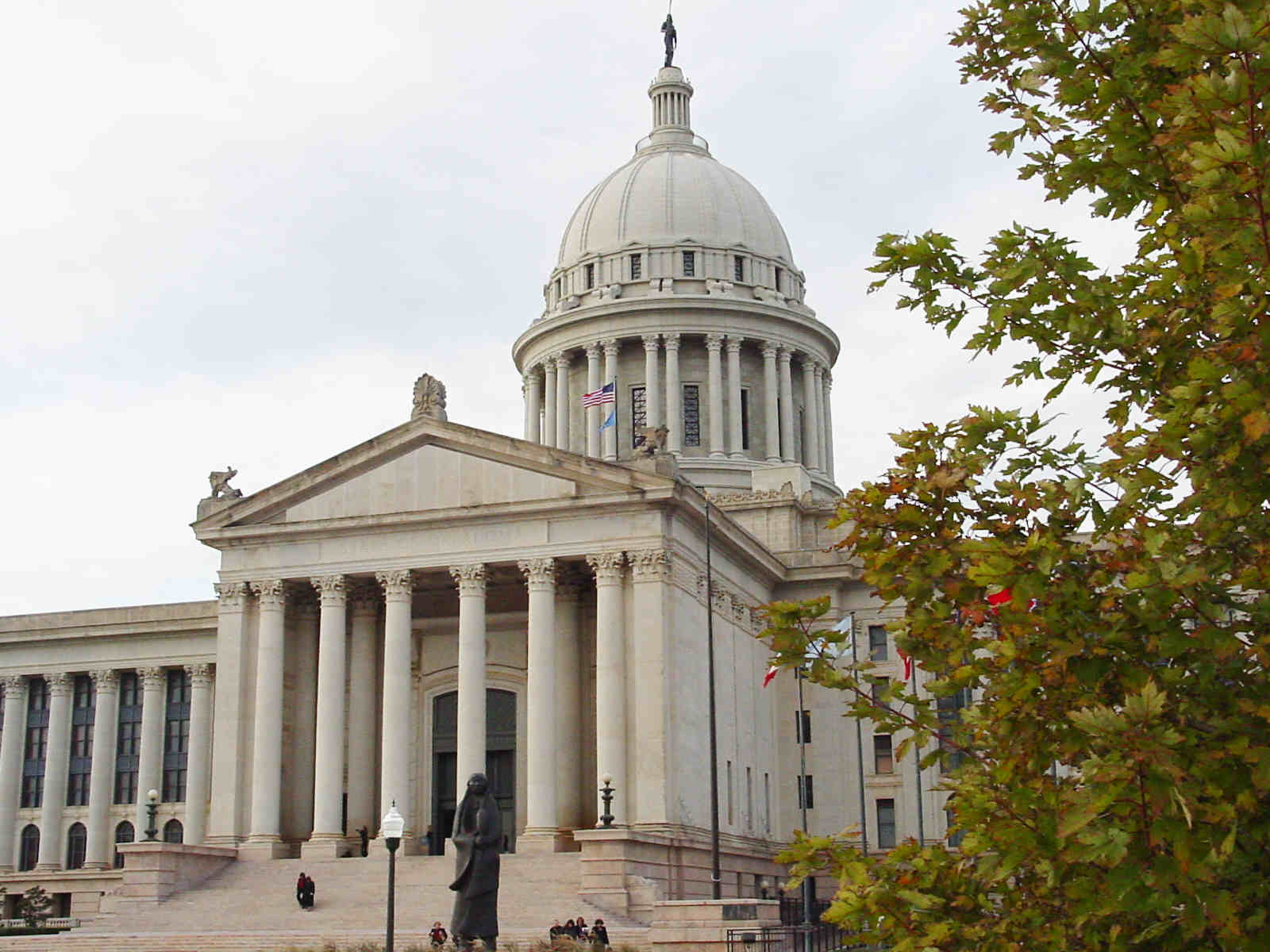
What does all of this have to do with Oklahoma? Oklahoma was founded in 1907, right in the middle of the Progressive Era. The progressives rejected the nation’s founding principles. They believed government should be able to solve problems in society by passing laws – at the behest of the majority. Pass a law, problem solved, they thought.
Unfortunately, it is widely believed today that the majority should be able to pass any law they wish, regardless of how much it infringes on the rights of individuals.
This is why some in Oklahoma think it is acceptable for the government to set a minimum wage. As a practical thing, when government sets the price of labor (wages) or any other price, they are in effect saying that 2 +2 =5, because they say so. If the government can set wages, why not all prices? Why should a majority vote be able to set any price at all? Those who believe government should set a price – any price – do not believe in the free enterprise system.
Then there are those who argue that Oklahoma should join the National Popular Vote Compact. This would, in effect, overturn the Electoral College method of electing the president of the United States – a method that Alexander Hamilton described as “excellent,” and was adopted without any dissent at the Constitutional Convention. This way of choosing the president was a method designed to protect the rights of the smaller population states.
Opponents of the Electoral College method argue that it is undemocratic. But again, the purpose of government is not to allow the majority to eat the minority, but to protect everyone’s rights, both in the majority and in the minority.
The Bill of Rights is very undemocratic. It bars Congress from creating a national religion, or interfering in the free exercise of religion. It protects unpopular speech, as well as popular speech.
Our judicial system is not designed to make sure the will of the majority prevails, but rather to make sure justice is done. The government must prove – beyond reasonable doubt – that someone is guilty of a crime. A conviction requires not a majority vote of a jury, but a unanimous vote. We certainly do not put someone’s guilt or innocence up to a popular vote. That is one reason why a “change of venue” is called for.
Some see the role of government is to protect private property rights, while others see government as an instrument to take away wealth and give it to someone else. Even if the majority are immoral enough to do this, it is still stealing. Might does not make right.
Of course, those who claim to be for “democracy,” are for it, so long as it fits their agenda. They cheer when a judge overturns the will of the voters, if it fits their agenda. Judges should interpret and apply the law, not make it.
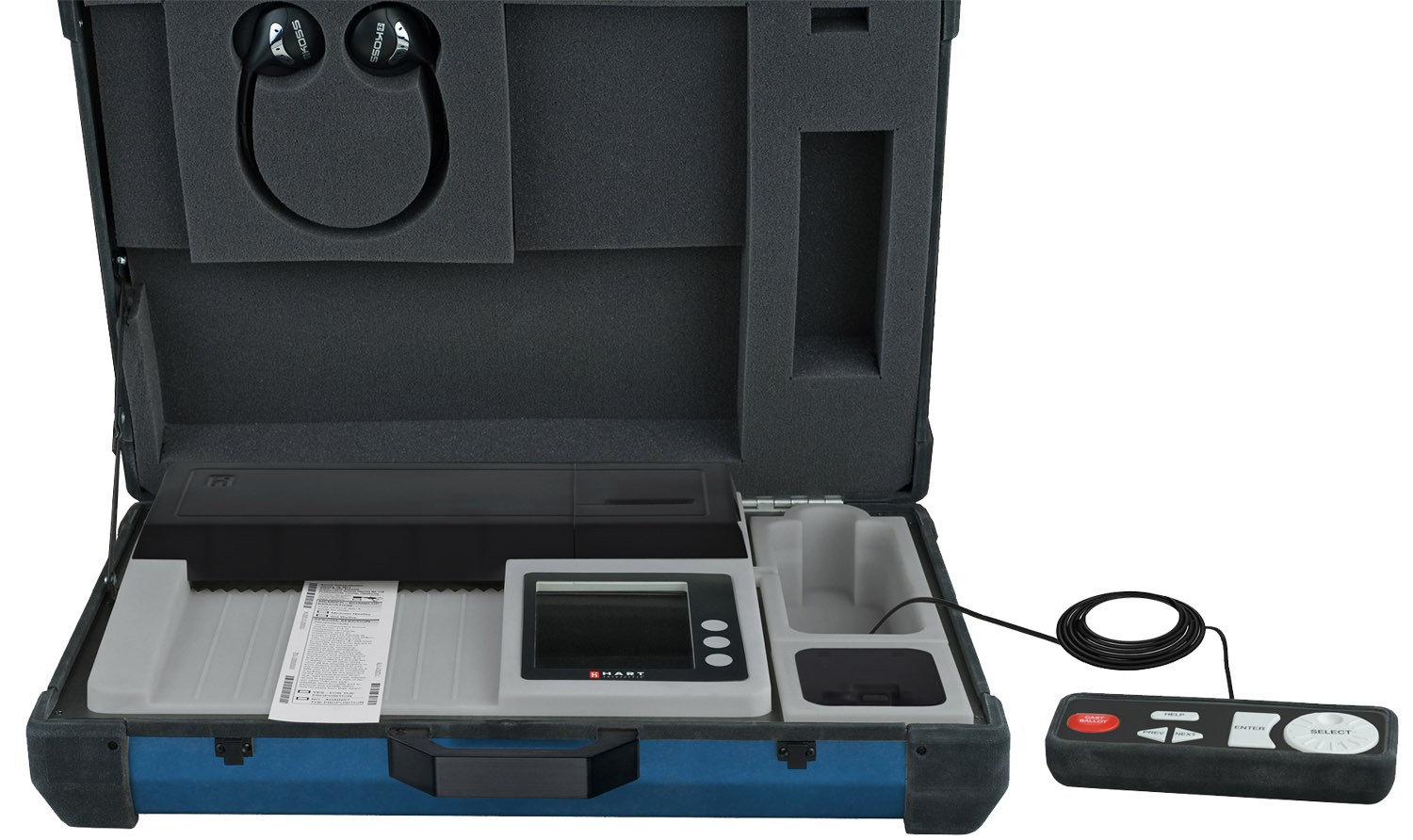
They really do not care about the will of the majority. Otherwise, they would not resist efforts to make our elections honest.
If more people understood the difference between a democracy and a republic, and accepted the concept that government is there to protect our rights, not to take them away, most of our political debates would be less contentious.


Latest Commentary
Friday 24th of July 2026
Friday 24th of July 2026
Friday 24th of July 2026
Friday 24th of July 2026
Friday 24th of July 2026
Friday 24th of July 2026
Friday 24th of July 2026
Friday 24th of July 2026
Friday 24th of July 2026
Friday 24th of July 2026